Dream Mermaid: A Whimsical Font for Creative Design
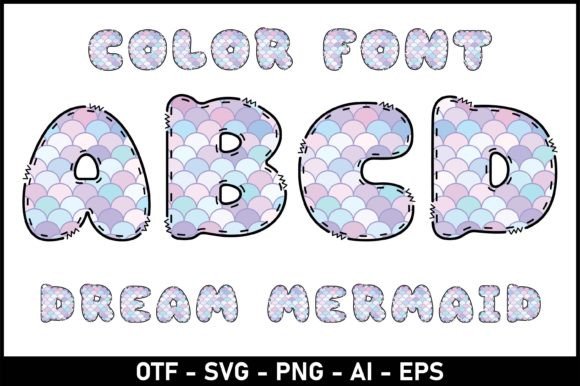
Every designer knows the power of a typeface to set a mood, and the Dream Mermaid font instantly transports viewers to a world of fantasy and playful elegance. This distinctive typeface, characterized by its flowing, aquatic-inspired curves and decorative flourishes, is more than just a collection of letters; it's a vital creative asset for projects that demand a touch of magic and imagination. Its unique aesthetic makes it a standout choice in the realm of visual design, particularly for audiences that appreciate artistry and whimsy.
Understanding the Role of Whimsical Typography
In modern graphic design, typography is a cornerstone of visual communication and brand identity. A font like Dream Mermaid serves a specific, strategic purpose. It’s not for body text in a legal document, but it excels in contexts where personality and emotional resonance are paramount. Its playful, often colorful character makes it ideal for designs aiming to engage, delight, and inspire. This aligns perfectly with current design trends that favor expressive, human-centric visuals over sterile, overly corporate aesthetics.
Practical Applications Across Creative Projects
The versatility of the Dream Mermaid font allows it to enhance a wide array of design projects. Its primary strength lies in applications targeting children, families, or any project centered on fantasy, nature, or creativity. Consider its use in the following areas:
- Branding and Logo Design: Perfect for bakeries, boutiques, event planners, or children's brands seeking a friendly, imaginative identity.
- Marketing Materials: Creates eye-catching headlines for posters, flyers, and invitations that need to stand out with a artistic feel.
- Social Media Content: Grabs attention in crowded feeds, ideal for announcements, quotes, or promotional graphics on platforms like Instagram and Pinterest.
- Editorial and Packaging Design: Adds a magical touch to children's book covers, chapter titles, or product packaging for toys, crafts, and sweets.
- Digital Products and Merchandise: Enhances the perceived value of digital planners, greeting cards, stickers, and printable art.
Tips for Effective Font Integration and Workflow
While a font like Dream Mermaid is a powerful tool, its effectiveness depends on thoughtful application within your overall design workflow. To maintain a professional presentation and ensure your message is received clearly, consider these guidelines:
- Ensure Readability and Hierarchy: Use decorative fonts sparingly—typically for headlines, logos, or call-to-action elements. Pair it with a clean, simple sans-serif or serif font for body text to maintain visual hierarchy and readability.
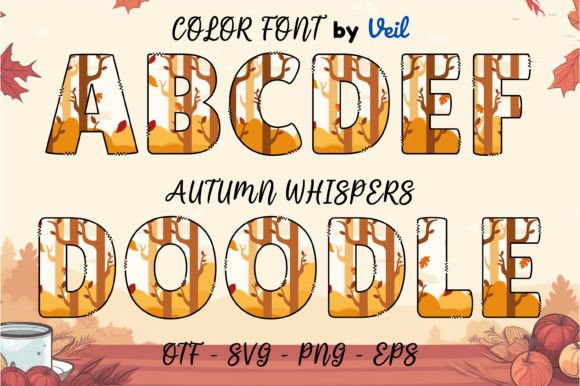
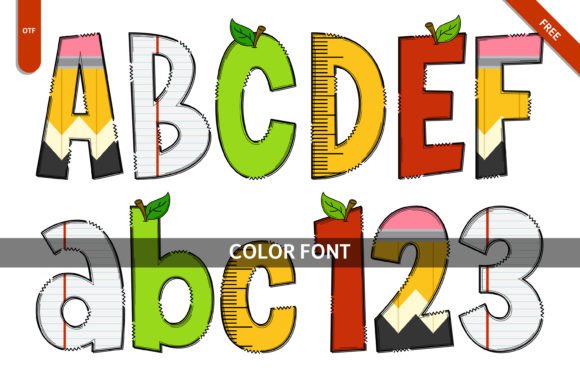
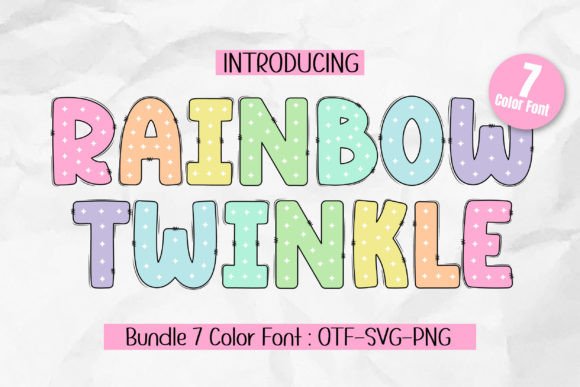
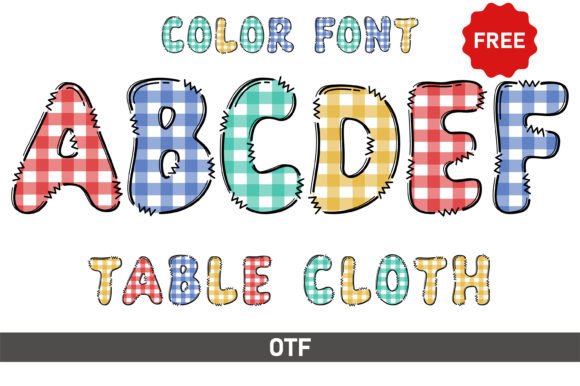
- Check Compatibility: A critical step in any design process. The black version of Dream Mermaid is typically compatible with a broad range of software, including Cricut Design Space for physical craft projects. However, the color version (which may include multi-colored layers or patterns) often requires specific design programs like Adobe Photoshop, Illustrator, or Silhouette Studio. Always verify file formats (OTF/TTF) and software requirements before purchasing to avoid workflow disruptions.
- Maintain Brand Consistency: If using the font for a brand, document its usage. Define which contexts it’s appropriate for and ensure it complements your existing color palette, imagery, and other typographic choices.
- Consider the Audience: The whimsical nature of Dream Mermaid resonates powerfully with certain demographics. Align its use with your target audience’s expectations to strengthen user engagement and brand connection.
Ultimately, the strategic selection of creative assets like the Dream Mermaid font is what separates generic design from compelling visual storytelling. By understanding its strengths, respecting its limitations, and applying it with purpose, designers and creators can inject personality, enhance communication, and build a more memorable and professional brand experience. Thoughtful typography doesn't just decorate a page; it guides the viewer's eye, evokes emotion, and fundamentally shapes how your message is perceived.