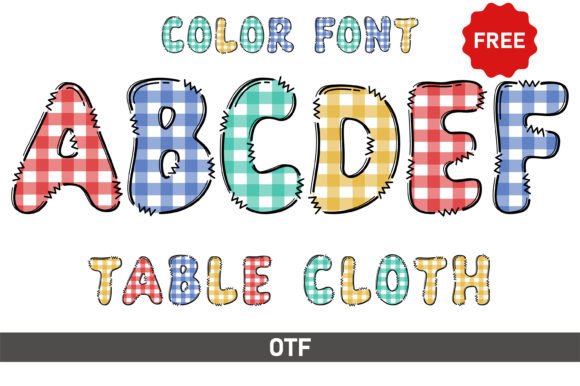
Table Cloth: The Playful Font for Creative Design Projects
In the world of graphic design, typography is the silent ambassador of your brand. The right font doesn't just display words; it conveys personality, sets a mood, and guides the viewer's experience. For projects demanding a touch of whimsy, creativity, and approachability, a font like Table Cloth becomes an indispensable asset. This distinctive typeface is engineered to inject a playful and artistic feel into any visual communication, making it a powerful tool for designers seeking to break away from rigid, corporate aesthetics.
Understanding a font's intended application is key to its effective use. Table Cloth excels in contexts where engagement and charm are paramount. Its design characteristics—often featuring rounded edges, irregular baselines, or hand-drawn qualities—naturally attract attention and create a friendly, informal atmosphere. This makes it particularly suitable for audiences that value creativity and imagination.
Practical Applications for the Table Cloth Font
The versatility of a well-designed playful font allows it to enhance a wide range of creative projects. Here’s how you can leverage a typeface like Table Cloth across different design domains:
- Branding & Logo Design: Establish a brand identity that feels unique, approachable, and creative. Ideal for businesses in education, children's products, artisanal crafts, or boutique hospitality.
- Marketing & Advertising: Create eye-catching posters, flyers, and digital ads that stand out in a crowded marketplace. The font's personality helps messages feel more personal and less like a corporate broadcast.
- Social Media Graphics: Boost engagement on platforms like Instagram and Pinterest with headers, quotes, and announcements that have a distinct, shareable character.
- Editorial & Packaging Design: Add visual interest to book covers, magazine layouts, or product packaging, especially for items targeting families, creatives, or niche markets.
- Digital Products & UI Elements: Use it for app interfaces, website banners, or digital invitations where a touch of warmth and creativity improves user experience (UX) and visual hierarchy.
Key Considerations for Effective Implementation
While a playful font is a powerful creative asset, its effectiveness hinges on thoughtful application. To maintain a professional presentation and ensure your design communicates clearly, consider these factors:
- Readability vs. Style: Always prioritize legibility, especially for body text or crucial information. Use decorative fonts like Table Cloth for headlines, logos, or short bursts of text where style can take precedence without sacrificing clarity.
- Consistency & Brand Systems: Ensure the font's personality aligns with your overall brand identity and color palette. It should complement, not clash with, other design elements like imagery and layout composition.
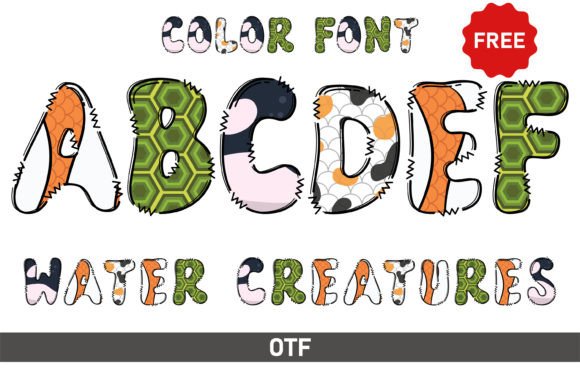
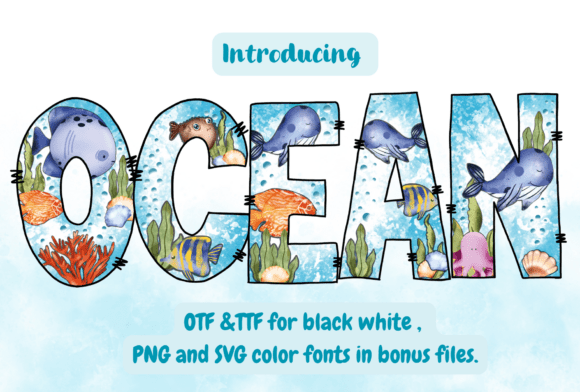
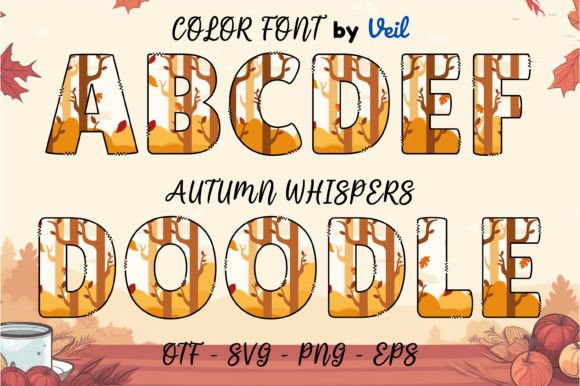
- Technical Compatibility: A critical yet often overlooked aspect. Different font formats (OTF, TTF) have varying compatibility with design software and cutting machines. For instance, the black version of Table Cloth is compatible with Cricut Design Space, making it perfect for physical craft projects. However, its color version is limited to advanced programs like Adobe Photoshop, Illustrator, Silhouette, and Inkscape, and will not work with Cricut. Always verify file compatibility with your specific design workflow to avoid production hiccups.
Selecting the right creative assets is a foundational step in a successful design workflow. A font that embodies a specific aesthetic, like the artistic flair of Table Cloth, does more than decorate—it communicates intent and connects with your target audience on an emotional level. By pairing such expressive typography with strategic design principles, you can elevate your projects from merely visual to truly memorable, ensuring your brand's message is not only seen but felt.