Neon Beam: A Vibrant Display Font for Modern Design
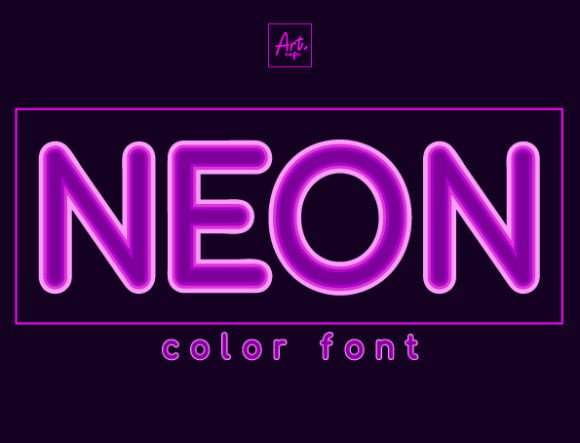
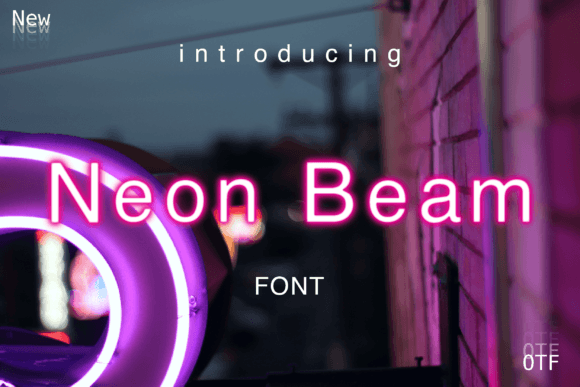
In the crowded visual landscape of digital and print media, capturing attention requires more than just a good idea—it demands a striking visual execution. Enter Neon Beam, a display font designed to inject immediate energy and a retro-modern aesthetic into any creative project. This bright, fun typeface, with its signature neon pink glow, is engineered to make text pop off the page or screen, offering designers a powerful tool for creating memorable and eye-catching compositions.
At its core, Neon Beam is a study in visual impact. Its simple, clean letterforms ensure readability while the glowing, vibrant color treatment provides a dynamic focal point. This combination is crucial in graphic design, where balancing style with clarity is paramount. The font excels in establishing a distinct visual hierarchy, guiding the viewer's eye to key messages in logos, headlines, and promotional text. Its inherent playfulness aligns perfectly with current design trends that favor bold, expressive typography and modern aesthetics.
Practical Applications Across Creative Projects
The versatility of a font like Neon Beam allows it to serve numerous functions across a designer's workflow. Its glowing character makes it particularly suited for applications where a sense of excitement, futurism, or nostalgia is desired. Consider integrating it into:
- Branding and Logo Design: Create a distinctive and energetic brand identity for entertainment venues, tech startups, or youth-oriented products. The neon effect can be a core part of the logo's personality.
- Marketing and Advertising: Use it for headlines in digital ads, social media banners, and email campaigns to boost user engagement and click-through rates. Its vibrancy cuts through the noise of a typical feed.
- Social Media Graphics: Design standout posts, Stories, and Reels covers. The font's visual punch is ideal for the fast-scrolling environment of platforms like Instagram and TikTok.
- Website and UI Design: Apply it selectively for hero section text, call-to-action buttons, or event announcements to add a dynamic accent, though always with careful consideration of readability and accessibility.
- Packaging and Merchandise: Elevate product labels, apparel designs, or promotional merchandise with a glowing typographic element that suggests quality and contemporary style.
- Presentations and Editorial Layouts: Break from monotony in slide decks or magazine layouts by using Neon Beam for impactful pull quotes or section headers.
Integrating Neon Beam into Your Design Workflow
To leverage such a powerful creative asset effectively, thoughtful implementation is key. First, always consider your audience and the project's goals. Neon Beam's bold personality is perfect for engaging a younger demographic or conveying innovation, but may not suit a conservative financial report. Second, ensure it complements your existing color palette and brand system. Its neon pink is a statement; pair it with neutral backgrounds or contrasting dark hues to let it shine without overwhelming the design.
A critical technical consideration is compatibility. The standard black version of Neon Beam is widely compatible, including with cutting machines like Cricut, making it excellent for print design and physical crafts. However, the full-color glowing version has specific requirements. It functions as a color font and is compatible with professional design software such as Adobe Photoshop, Illustrator, and Silhouette Studio, but not with basic cut-file software. This underscores the importance of understanding your tools and the file formats (OTF/TTF) you use. For a seamless design workflow, always verify software support before committing to a color font for a critical project.
Ultimately, selecting the right typography is a fundamental design decision that influences tone, readability, and overall visual quality. Fonts like Neon Beam offer more than just letters; they provide a distinct voice and an immediate emotional resonance. By choosing high-quality, purpose-built design assets and applying them with strategic intent, designers and creators can significantly enhance their visual communication, strengthen brand identity, and produce work that is both aesthetically compelling and effectively functional.