Medieval Leaves: A Decorative Font for Timeless Design
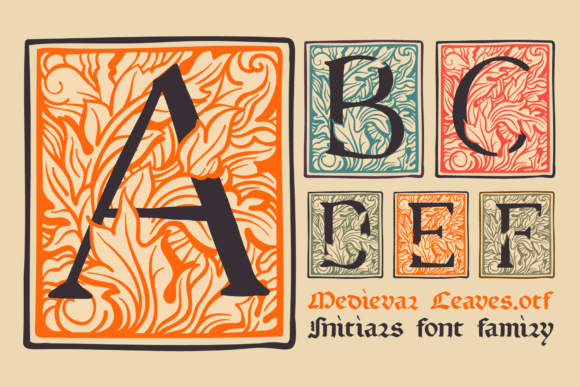
Imagine the intricate beauty of a centuries-old illuminated manuscript, where every letter is a work of art. That very inspiration, born from a beautifully engraved 'H' initial adorned with delicate foliage, forms the foundation of the Medieval Leaves font. This colored decorative typeface, with its distinct black letter touch, offers graphic designers a unique tool to precisely imitate medieval-style text, adding a layer of historical elegance and visual depth to modern creative projects.
In the realm of visual design, typography is a cornerstone of communication. While modern sans-serifs and clean serifs dominate contemporary aesthetics, there is a powerful place for typefaces that evoke specific eras and emotions. Medieval Leaves is not just a font; it's a visual shorthand for tradition, craftsmanship, and narrative depth. Its value in modern graphic design lies in its ability to instantly set a tone, transporting an audience and creating a memorable brand identity that stands apart from the digital noise.
Practical Applications for Modern Creatives
The true power of a specialized asset like this is its versatility across various design contexts. When used thoughtfully, it elevates a project from ordinary to exceptional. Consider its application in these key areas:
- Branding and Logo Design: For brands in the craft beverage, artisanal goods, fantasy gaming, or historical tourism sectors, a Medieval Leaves initial can serve as a powerful logomark or monogram. It instantly communicates heritage, quality, and a story worth telling.
- Marketing Materials & Packaging Design: Use a decorated drop cap on a brochure, menu, or product label to draw the eye and add a premium, handcrafted feel. It’s particularly effective for luxury goods, specialty foods, and event invitations.
- Digital Content & Social Media Graphics: A single Medieval Leaves letter can become a signature graphic element for a podcast cover, a blog header, or a social media series. It creates strong visual hierarchy and makes content instantly recognizable in a crowded feed.
- Editorial Layout & Web Design: In book covers, magazine features, or website hero sections, this font can be used for impactful pull quotes or section headers. Pair it with a highly readable body font to balance its decorative nature with functionality, enhancing user experience without sacrificing legibility.
- Presentations & Merchandise: Transform a standard presentation slide or a piece of merchandise like a tote bag or t-shirt. The font adds a unique artistic touch that can make a corporate presentation more engaging or turn a simple product into a desirable item.
Integrating Historical Elegance with Modern Design Principles
Successfully incorporating a decorative font like Medieval Leaves requires more than just placement; it demands strategic thinking. The key is to use it as a decorative element at the beginning of a paragraph or section, allowing its intricate details to shine. The surrounding body text should remain in a regular, legible black letter or complementary serif font to ensure readability and maintain a clear visual hierarchy.
When evaluating and using such creative assets, designers should consider:
- Context and Audience: Does the historical aesthetic align with your project's goals and your audience's expectations? It's perfect for evoking nostalgia or tradition but may clash with ultra-modern, minimalist brands.
- Scalability and Color: Test the font at various sizes. Its intricate leaf details should remain clear. As a colored font, ensure its built-in palette complements your overall color scheme, or be prepared to use it in contexts where its specific hues are an asset.
- Consistency in Application: Define clear rules for its use within a brand system. Will it only appear as an initial cap? On specific materials? Consistency prevents the design from feeling disjointed and strengthens brand recognition.
Thoughtful design is about choosing the right tool for the right job. Assets like Medieval Leaves provide a direct pathway to a specific aesthetic, saving time and ensuring authenticity. By blending such historically inspired typography with contemporary layout principles, designers can create work that is both visually stunning and deeply communicative, proving that the best creative solutions often bridge the past and the present.