Halloween Army: Crafting Spellbinding Visual Narratives
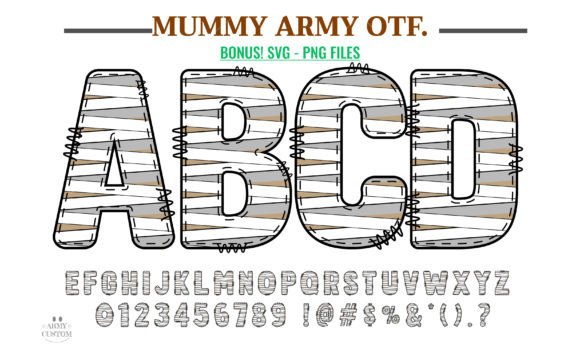
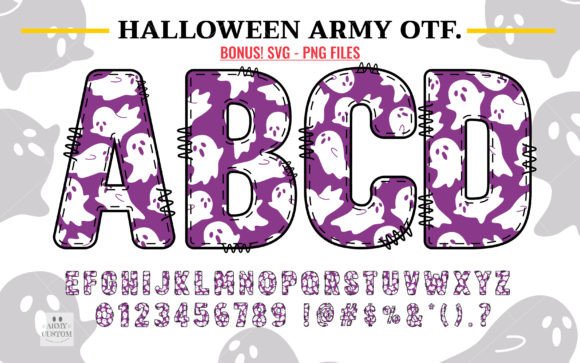
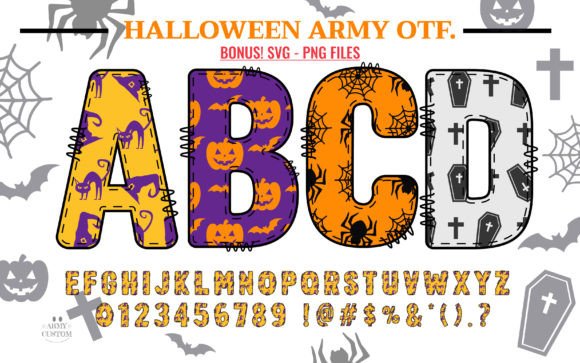
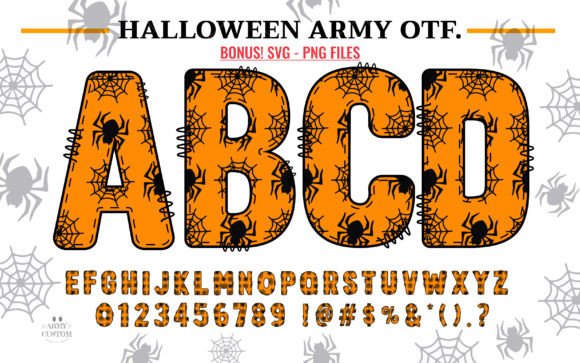
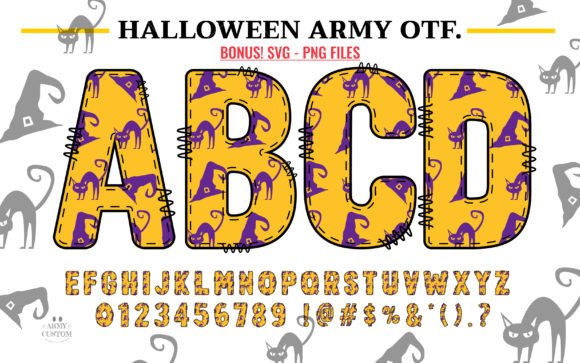
In the dynamic world of graphic design, a powerful visual vocabulary is essential for capturing attention and conveying a specific mood. For projects that demand a blend of whimsy, horror, and creativity, the Halloween Army offers a unique toolkit. This approach, centered on thematic consistency and bold visual elements, empowers designers to create immersive experiences. A cornerstone of this arsenal is the right typography, such as the spellbinding Halloween Doodle Font Color, which injects unmistakable character into any creation.
What is the Halloween Army in Graphic Design?
The Halloween Army represents a curated collection of design assets, principles, and aesthetic choices unified by a Halloween-inspired theme. It’s not just about ghosts and ghouls; it’s a framework for visual storytelling that embraces mystery, nostalgia, and playful spookiness. This approach matters in modern design because it taps into deep-seated cultural symbols, creating an immediate emotional connection with audiences. For brands, especially in sectors like entertainment, confectionery, or seasonal retail, leveraging this visual language can strengthen brand identity and make campaigns instantly recognizable.
Practical Applications for Thematic Design Assets
Integrating elements from a Halloween Army toolkit can elevate numerous creative projects. The key is strategic application to ensure coherence and impact. Here’s how designers can deploy these assets effectively:
- Branding and Logo Design: Use thematic fonts and icons to craft logos for seasonal businesses, haunted attractions, or themed product lines, ensuring the brand’s personality is communicated at a glance.
- Marketing Materials: From flyers and posters to email headers, a cohesive Halloween-themed visual system makes promotional materials stand out in crowded inboxes and on bulletin boards.
- Social Media Content: Create scroll-stopping graphics for Instagram stories, Facebook ads, and Pinterest pins. Consistent use of themed color palettes and typography builds a recognizable feed aesthetic.
- Website and UI Design: Implement thematic elements for seasonal website banners, pop-ups, or entire microsites. Thoughtful application enhances user engagement without compromising usability.
- Packaging Design: For limited-edition products, thematic packaging using spooky illustrations and fonts can dramatically increase shelf appeal and perceived value.
- Digital Products and Merchandise: Design printable art, stickers, t-shirts, and mugs that cater to niche markets, offering customers unique items that reflect their interests.
Tips for Selecting and Using Design Elements
Choosing the right assets from a Halloween Army collection requires a designer’s critical eye. To maintain professionalism and effectiveness, consider these factors:
- Prioritize Readability and Scalability: A decorative font like the Halloween Doodle Font Color is perfect for headlines, but ensure body text remains legible. Test assets at various sizes for clarity.
- Maintain Visual Hierarchy: Use bold, thematic elements to draw attention to key messages, but balance them with simpler components to guide the viewer’s eye through the design.
- Ensure Compatibility: Always check file formats and software compatibility. For instance, a color font may work in Adobe Illustrator for digital designs, but a black version might be needed for Cricut-based physical crafts.
- Align with Audience Expectations: The whimsical, doodle-style aesthetic is perfect for family-friendly events or playful branding but may need refinement for more serious applications.
- Build a Cohesive Color Palette: Extend your theme beyond fonts. Develop a supporting color palette—think deep purples, oranges, and blacks—that reinforces the Halloween motif across all project elements.
Thoughtful design is about more than just assembling attractive parts; it’s about creating a cohesive visual story that communicates effectively. High-quality creative assets, like a versatile thematic font, are invaluable tools in a designer’s workflow. They provide the building blocks for professional presentations, enhance user experience in digital interfaces, and ensure brand consistency across all touchpoints. By making informed, strategic choices, you can transform ordinary projects into memorable visual experiences that resonate deeply with your intended audience.